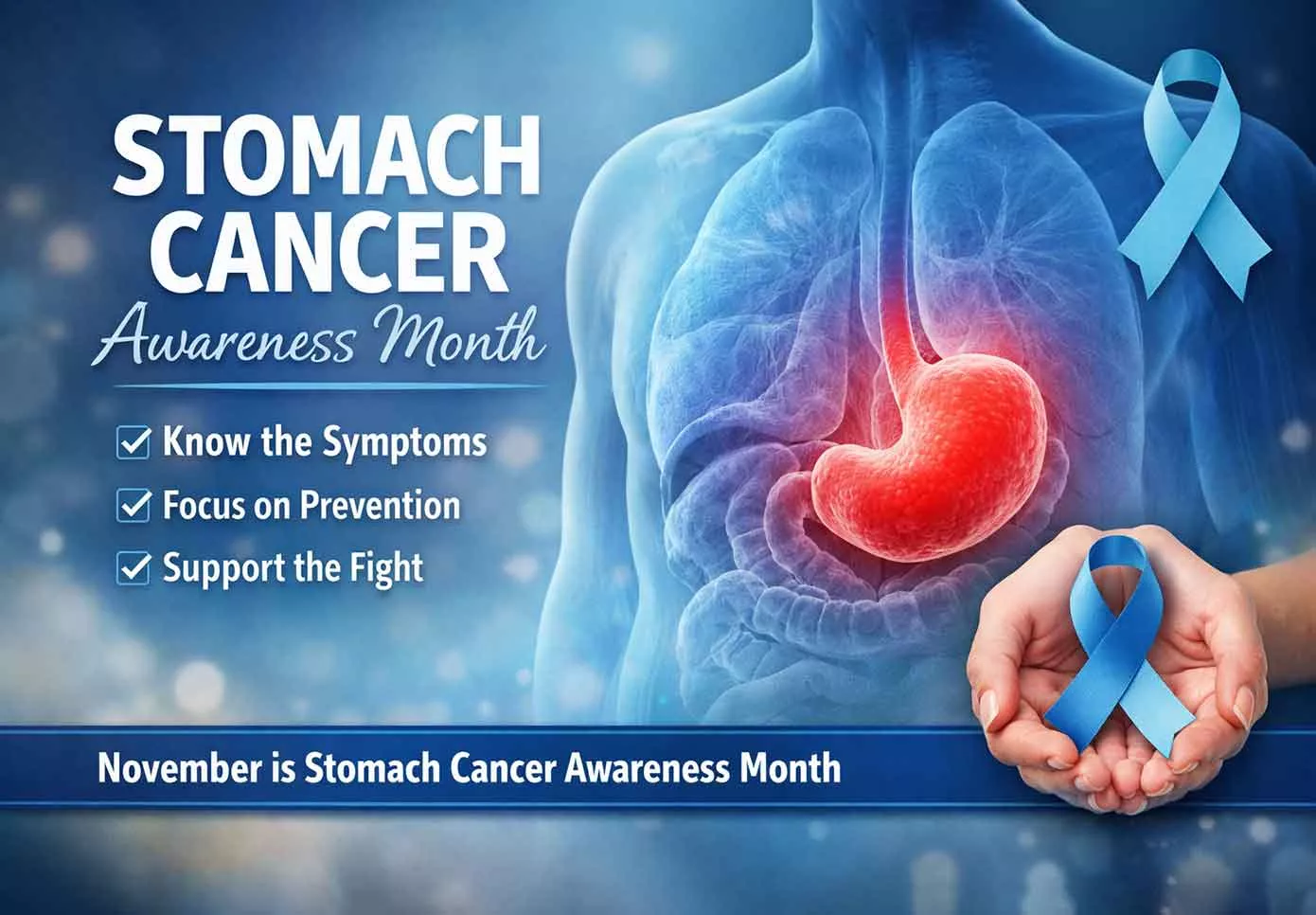
Stomach cancer often develops quietly, with early symptoms that are easy to ignore. That’s why stomach cancer awareness month plays such a vital role in public health education. Observed every year in November, this campaign focuses on spreading knowledge about symptoms, prevention, and early detection of gastric cancer.
Many people still ask what month is stomach cancer awareness month? The answer is clear: November is stomach cancer awareness month, dedicated to saving lives through education and awareness.
What Is Stomach Cancer?
Stomach cancer, also known as gastric cancer, begins in the stomach’s inner lining and often progresses slowly over time.
Common Types of Stomach Cancer
- Adenocarcinoma (most common)
- Lymphoma
- Gastrointestinal stromal tumors (GIST)
- Neuroendocrine tumors
Because early symptoms can be vague, stomach cancer awareness campaigns emphasize the importance of listening to your body and seeking medical advice early.
When Is Stomach Cancer Awareness Month?
If you’re wondering when is stomach cancer awareness month, it is observed every year in November.
Why November for Cancer Awareness?
November for cancer awareness helps shine a light on cancers that receive less attention, including gastric cancer. This month encourages:
- Public education
- Early screenings
- Community support initiatives
Gastric cancer awareness month reminds us that awareness can lead to earlier diagnoses and better survival rates.
Signs and Symptoms of Stomach Cancer
Recognizing symptoms early is one of the main goals of stomach cancer awareness month.
Early Symptoms
- Persistent indigestion
- Bloating after meals
- Feeling full quickly
Advanced Symptoms
- Unexplained weight loss
- Vomiting or nausea
- Blood in stool
- Severe abdominal pain
Persistent symptoms should never be ignored.
Risk Factors You Should Know
Understanding risk factors is a key part of stomach cancer awareness.
Common risk factors include:
- H. pylori infection
- Smoking and alcohol use
- Diets high in salty or processed foods
- Family history of gastric cancer
- Age over 50
Raising awareness helps people make informed lifestyle choices.
Prevention and Early Detection
Although stomach cancer cannot always be prevented, risks can be reduced.
How to Lower Your Risk
- Eat more fruits and vegetables
- Reduce processed foods
- Quit smoking
- Maintain a healthy weight
Developing self-awareness about health and lifestyle habits can be a powerful first step toward prevention. Reflecting on personal well-being is just as important as medical checkups.
How to Spread Stomach Cancer Awareness
One of the best ways to support stomach cancer awareness month is by actively sharing information.
Simple Ways to Help
- Share educational articles on social media
- Participate in awareness campaigns
- Encourage loved ones to seek medical advice
- Support cancer research and charities
If you’re looking for practical ideas, here are proven ways to spread awareness effectively that can make a real impact.
Stomach Cancer Support Groups and Community Care
Living with stomach cancer can feel overwhelming, but support makes a difference.
Why Support Groups Matter
- Emotional support
- Shared experiences
- Coping strategies for patients and caregivers
Joining stomach cancer support groups helps individuals feel understood and less alone during their journey.
Why Stomach Cancer Awareness Month Saves Lives
The main goal of stomach cancer awareness month is early detection. When diagnosed early, treatment outcomes improve significantly. Awareness leads to action and action saves lives.
Conclusion:
Stomach cancer awareness month is a powerful reminder that knowledge can change outcomes. This November, take time to learn the symptoms, share accurate information, and support those affected by gastric cancer.
By spreading awareness and encouraging early screening, we can help build a future with better survival rates and stronger support systems.
FAQs
November is stomach cancer awareness month worldwide.
Because symptoms often appear late, awareness helps promote early diagnosis and treatment.
Yes, both refer to the same awareness campaign observed in November.
People with family history, H. pylori infection, or unhealthy lifestyle habits are at higher risk.
You can share information, join awareness initiatives, donate, or participate in stomach cancer support groups.