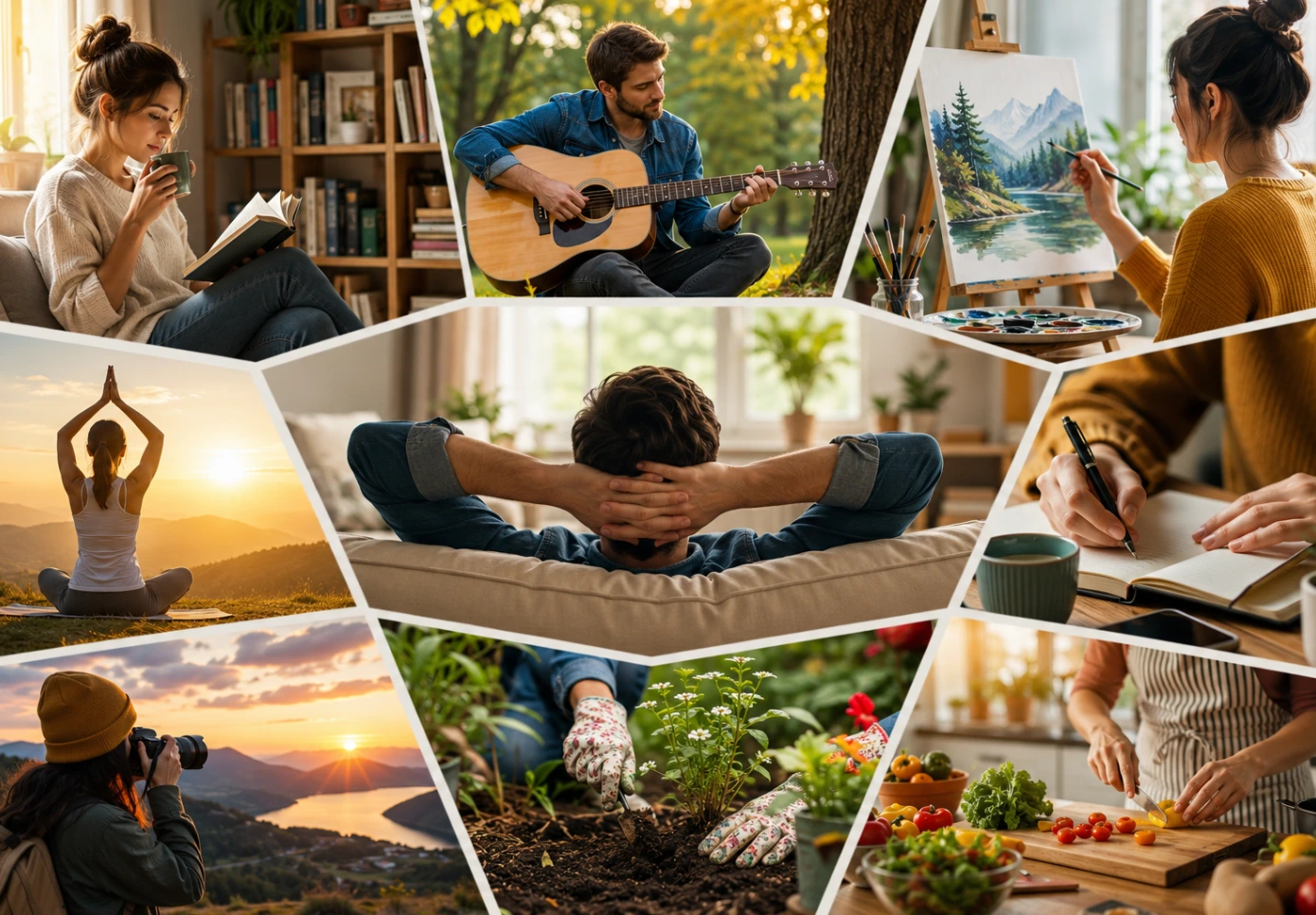
Free time is rarer than most people think. According to the US Bureau of Labor Statistics, the average American workday runs 8.5 hours, and that is before accounting for commuting, chores, childcare, and daily obligations. When genuine free time does appear, many people end up scrolling through their phone not because they want to, but because they cannot decide what to do.
Research from the American Psychological Association found that up to two hours of genuine free time per day significantly reduces stress and improves overall wellbeing. The key word is genuine: passive scrolling and vague downtime do not produce the same benefits as intentional activity.
This list gives you 50+ specific, actionable things to do in your free time, organized so you can pick by mood, situation, or goal.
Why Free Time Matters
Before the list, the science behind why using free time well is worth the effort.
Working more than 55 hours per week increases the risk of stroke and heart disease, according to a joint WHO and International Labour Organization study. Beyond the physical, consistently neglecting downtime reduces productivity, creativity, and emotional regulation during the hours you are working.
Free time also reinforces your sense of identity. Activities you choose purely for yourself, not because a job or someone else requires them, remind you that your interests and enjoyment are worth protecting. That is why how you spend your free time tends to say a great deal about who you are and what you value.
Creative Things to Do in Your Free Time
Creative activities reduce anxiety, improve mood, and give you something tangible to show for your time.
1. Start a sketchbook. You do not need to be good at drawing. Daily sketching builds observation skills and gives your brain a break from screens. Start with still-life objects around your home.
2. Learn watercolor painting. YouTube has hundreds of beginner tutorials. Watercolor supplies are inexpensive and the learning curve is forgiving.
3. Write in a journal. Research published in a study by Dr. Gail Matthews found that people who write down their goals are significantly more likely to achieve them. Journaling also processes emotions and clarifies thinking in ways that passive reflection does not.
4. Take up photography. Your phone camera is enough to start. Practice composition, lighting, and finding interesting subjects in everyday environments.
5. Learn to knit or crochet. Repetitive hand movements have a meditative quality. Finished projects are functional and often become meaningful gifts.
6. Try pottery or clay sculpting. Many cities have community studios offering drop-in sessions for beginners. Working with your hands in three dimensions is unlike most screen-based activities.
7. Start a blog or personal website. Writing regularly on a topic you care about develops thinking, communication, and eventually builds an audience around something you genuinely enjoy.
8. Make a DIY project. Furniture restoration, home décor, or anything from a hardware store challenge your problem-solving while producing something useful.
9. Learn calligraphy or hand lettering. Focused, careful practice on a visible skill. Progress is quickly measurable.
10. Write short stories or poetry. Creative writing develops empathy by forcing you into other perspectives. No audience required.
Skills to Learn in Your Free Time
The most compounding use of free time is skill acquisition. Skills built over months of casual practice accumulate into real expertise.
11. Learn a new language. A study in the National Center for Biotechnology Information found that bilingualism can delay cognitive decline by nearly 4.5 years. Apps like Duolingo make daily practice accessible; pairing apps with content in your target language (shows, podcasts, books) accelerates progress significantly.
12. Learn to code. Free platforms like freeCodeCamp, The Odin Project, and Codecademy teach programming from zero. Web development, data analysis, and automation are all learnable as side skills without a computer science degree.
13. Learn basic personal finance. Compound interest, index fund investing, tax optimization, and budget building are skills most people were never formally taught. Books like The Psychology of Money (Morgan Housel) or I Will Teach You to Be Rich (Ramit Sethi) are accessible starting points.
14. Pick up a musical instrument. Guitar, ukulele, piano, and drums all have free learning resources online. The first six months are the hardest; after that, the progress becomes its own motivation.
15. Learn touch typing. If you spend significant time on a computer and still look at your keyboard, you are losing hours every week to inefficiency. Free tools like Keybr or Typing.com can bring most people to 60+ words per minute within a few weeks of daily practice.
16. Learn video editing. Capcut (free) and DaVinci Resolve (free) are powerful enough for professional-quality editing. Editing your own footage from a phone is a good way to start.
17. Study basic psychology. Understanding cognitive biases, behavioral patterns, and how people make decisions is useful in every area of life, from personal relationships to negotiation to self-awareness.
18. Learn Excel or Google Sheets. Spreadsheet proficiency opens up data analysis, budgeting, project management, and many career opportunities. Most people use 5 percent of what these tools can do.
19. Study a craft or trade skill. Basic plumbing, electrical work, carpentry, or car maintenance. YouTube is extraordinary for this. Learning to fix things yourself saves money and builds confidence.
20. Take an online course. Coursera, edX, and Khan Academy offer university-level content free or low cost. Pick a topic you have always been curious about and commit to one module per week.
Physical Things to Do in Your Free Time
Physical activity is one of the most well-researched investments of free time. Even 30 minutes of movement daily produces measurable improvements in mood, cognitive function, and physical health.
21. Go for a walk. Simple and underrated. Walking is associated with reduced depression, improved creativity, and better cardiovascular health. Walking outside adds the mental health benefits of natural environments.
22. Start a home workout routine. No equipment required for bodyweight training. Apps like Nike Training Club or YouTube channels like Athlean-X and Sydney Cummings offer free structured programs.
23. Try yoga. Combines strength, flexibility, and breathwork. Particularly useful for people whose free time is mentally demanding. YouTube has thousands of free beginner classes.
24. Ride a bike. Cycling is a low-impact cardio activity that simultaneously serves as transportation. Exploring a city or neighborhood by bike covers ground and produces a genuine sense of exploration.
25. Try rock climbing or bouldering. Many cities have indoor bouldering gyms with day passes. The problem-solving element keeps it mentally engaging in a way most other exercise does not.
26. Learn to swim properly. Most adults can swim but few do so efficiently. Learning technique is a useful skill and a new avenue for exercise.
27. Take a dance class. Partner dancing (salsa, swing, tango) or solo styles (hip-hop, contemporary). Dance is social, physical, and has a lower injury rate than most sports.
28. Play a sport recreationally. Local leagues for tennis, basketball, volleyball, badminton, and soccer exist in most cities and require no prior skill level to join.
Relaxing Things to Do in Your Free Time
Not all free time needs to be productive. Rest and genuine recovery are necessary parts of a functioning life.
29. Meditate. Research reviewed by the American Psychological Association found that mindfulness meditation reduces stress, anxiety, and depression. Apps like Insight Timer offer thousands of free guided sessions.
30. Read a book. Regular reading is associated with reduced depression, improved empathy, and even increased longevity, according to research published in Social Science and Medicine. Fiction and non-fiction produce different benefits; both are worth the time.
31. Take a bath or long shower. The mental disengagement from a warm bath is not trivial. Many people report their best ideas arriving in the shower for a reason: relaxed, defocused states activate different thinking modes.
32. Spend time in nature. Even a short walk in a park produces measurable reductions in cortisol and mental fatigue. Time outdoors without a specific goal is restorative in a way indoor rest often is not.
33. Listen to music intentionally. Not as background noise but as the main activity. Sit, close your eyes, and listen to an album or playlist from start to finish. This is increasingly rare and genuinely restful.
34. Do nothing on purpose. Sitting quietly without a screen, a task, or a goal is uncomfortable at first for most people. It is also where boredom productively shifts into reflection and creative thinking.
Social Things to Do in Your Free Time
Social connection is one of the strongest predictors of long-term wellbeing. Research published in PLOS ONE found that meaningful social engagement is associated with better stress management, greater happiness, and healthier habits.
35. Cook a meal for friends or family. Hosting a dinner is a social activity that doubles as creative practice. The preparation and eating together create the kind of face-to-face time that text and social media do not replicate.
36. Play board games. Ticket to Ride, Catan, Codenames, and Wingspan are examples of games that work well across ages and group sizes. Strategy games in particular are engaging enough to replace screen time.
37. Call someone you have not spoken to in a while. Not a text, a phone or video call. Reconnecting with old friends or distant family members is one of the activities people most often say they want to do but keep postponing.
38. Volunteer. Animal shelters, food banks, community gardens, literacy programs, and local organizations need consistent volunteers. Volunteering produces a sense of purpose alongside the social benefits of working alongside other people.
39. Join a club or class. Book clubs, running groups, language exchanges, cooking classes, and pottery studios all combine learning with regular social interaction. The recurring schedule creates consistency that ad-hoc socializing rarely does.
40. Explore your city. Tourist attractions in your own city, neighborhoods you have never visited, local markets, and free events produce the novelty and stimulation that travel does at a fraction of the cost.
Things to Do in Your Free Time at Home
When leaving the house is not an option, here are activities that work within a home environment.
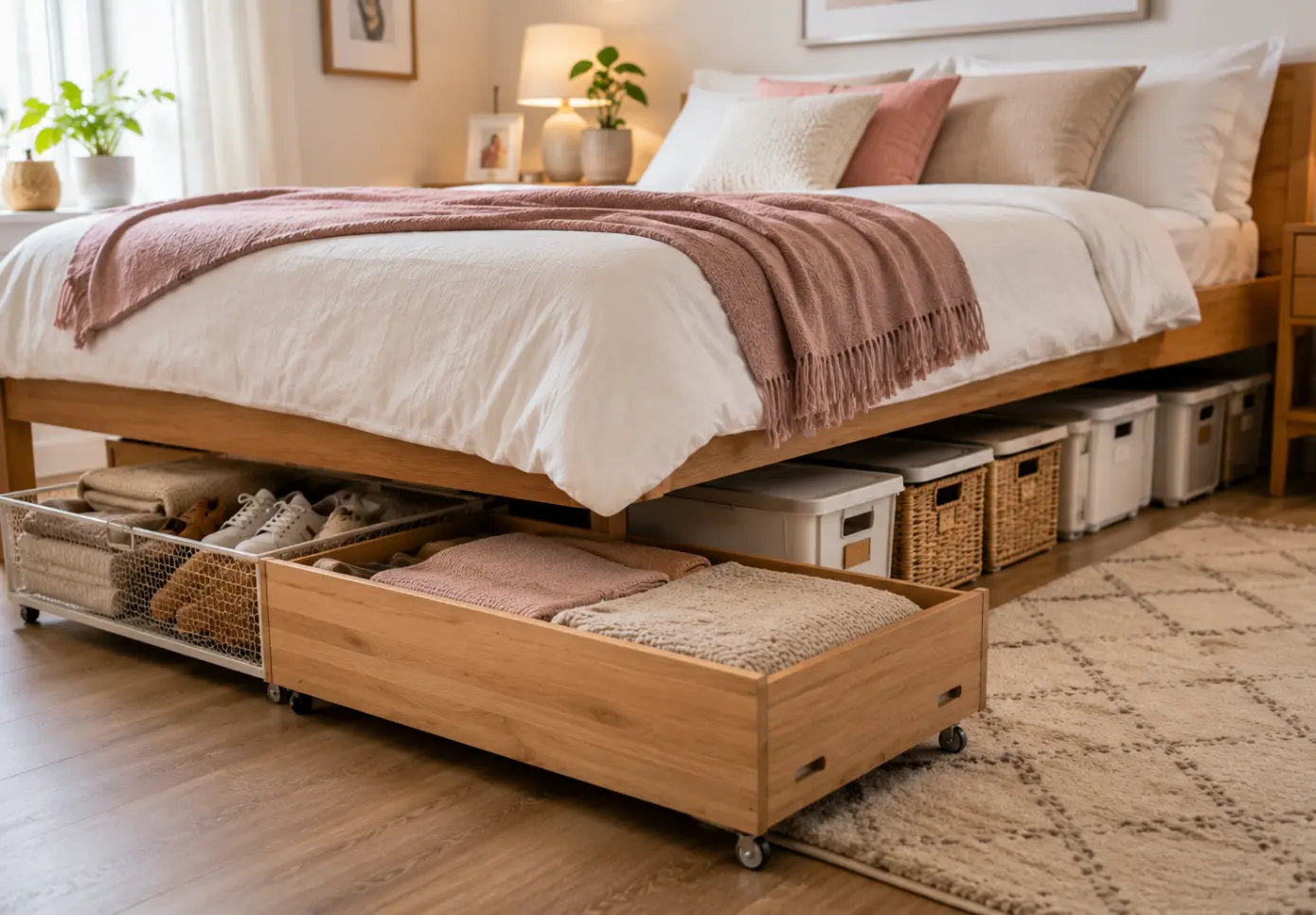
41. Reorganize a space. Clearing and reorganizing a room, closet, or desk produces a visible result and often reduces mental clutter alongside the physical kind.
42. Cook something challenging. Try a recipe that requires multiple techniques or unfamiliar ingredients. Cooking is one of the few activities that engages all five senses simultaneously and ends in a reward.
43. Watch a documentary. High-quality documentaries on topics outside your current knowledge are a form of structured learning that feels like entertainment. Platforms like YouTube, Netflix, and Amazon Prime have extensive free and paid libraries.
44. Start a garden. Houseplants, a window herb garden, or an outdoor vegetable patch if space allows. Caring for plants connects you to natural rhythms and produces genuine satisfaction when things grow.
45. Learn origami or paper crafts. Requires only paper. Progressively complex folds keep the challenge level appropriate as skill builds.
46. Organize your digital life. Delete unused apps, sort photographs, organize files, unsubscribe from emails. This is not exciting but pays dividends in reduced friction every day afterward.
47. Build something with LEGO or other construction toys. LEGO designed for adults is genuinely engaging and produces a tangible result. The focus required is meditative.
Things to Do in Your Free Time as a Student
Students have specific constraints (limited money, shared spaces, upcoming deadlines) that shape what free time looks like.
48. Study a subject you are curious about but not formally enrolled in. MIT OpenCourseWare, Khan Academy, and Coursera make university-level content free. Learning something purely out of interest, without grades attached, feels entirely different from coursework.
49. Start a side project. A portfolio website, a small app, a blog, or a research project in your field. Side projects differentiate students from peers when applying for jobs or postgraduate programs.
50. Read primary sources, not summaries. Most students read textbooks and summaries. Going directly to original research papers, classic books, or primary historical documents in your field develops the kind of deep understanding that is difficult to fake.
51. Learn to cook affordable, nutritious meals. A practical skill with immediate returns. Budget cooking is a genuine form of financial management.
52. Find a mentor or informational interview. Email someone working in a field you are interested in and ask for 20 minutes of their time. Most people are more willing to talk than students expect, and the conversations are often more useful than any course.
What to Do When You Have Too Much Free Time
Unstructured free time can feel uncomfortable, particularly for people accustomed to constant activity. This is sometimes called “free time anxiety” and it is more common than most people acknowledge.
The research cited earlier from the APA found that too much unstructured free time (more than five hours per day) can actually reduce wellbeing rather than improve it. The quality and intentionality of free time matters as much as the amount.
Practical approaches for when you have more free time than you know what to do with: pick one activity from the list above and commit to it for 30 days before adding another. Structure reduces the anxiety of open time without eliminating the freedom. Treat your free time like you treat your calendar at work: give each block a purpose, even a loose one.
How to Spend Free Time Productively (Without Burning Out)
Productive free time does not mean filling every moment with optimization. It means choosing activities that align with what you actually care about rather than defaulting to whatever is easiest.
A useful framework: divide your free time into three types. Recovery time (sleep, rest, doing nothing), maintenance time (exercise, cooking, social connection), and growth time (learning, creative projects, skill building). Most people underinvest in growth and maintenance while overinvesting in low-quality recovery like passive scrolling.
Even 30 minutes per day directed toward a skill or creative project compounds into real capability over a year. The activities in this list that most consistently produce lasting value are the ones that build something: a skill, a habit, a relationship, a body of creative work.
Frequently Asked Questions
Studies consistently show that watching television and using social media account for the largest share of leisure time for most adults. The average American spends over four hours per day watching screens, not including work-related screen time.
Learning a language, building a skill (coding, writing, music, finance), exercising, reading, volunteering, and working on creative projects are all forms of productive free time. Productive does not mean work-related: it means intentional and generating some form of return, whether in capability, health, relationships, or personal satisfaction.
Cooking challenging recipes, reading, learning online, organizing spaces, starting a creative project, gardening, or practicing a skill like music or drawing are all effective home-based activities. The key is having a small number of go-to activities that do not require setup or decision-making every time.
Students benefit most from activities that build transferable skills (coding, writing, languages, financial literacy), social connections through clubs or volunteering, and physical activity to counterbalance extended study sessions. Side projects that demonstrate capability in their field of study are particularly valuable.
Free time is essential for mental health, creativity, identity, and recovery. Without genuine downtime, cognitive performance declines, stress accumulates, and the risk of burnout increases. Research consistently shows that people who protect their leisure time are more productive and satisfied in the hours they do work, not less.
Pick one thing from any category in this list and try it for 20 minutes with no commitment to continue. Low-barrier starts (a journal entry, a walk, a YouTube tutorial) reduce the friction of decision paralysis. The goal is motion, not the perfect activity.