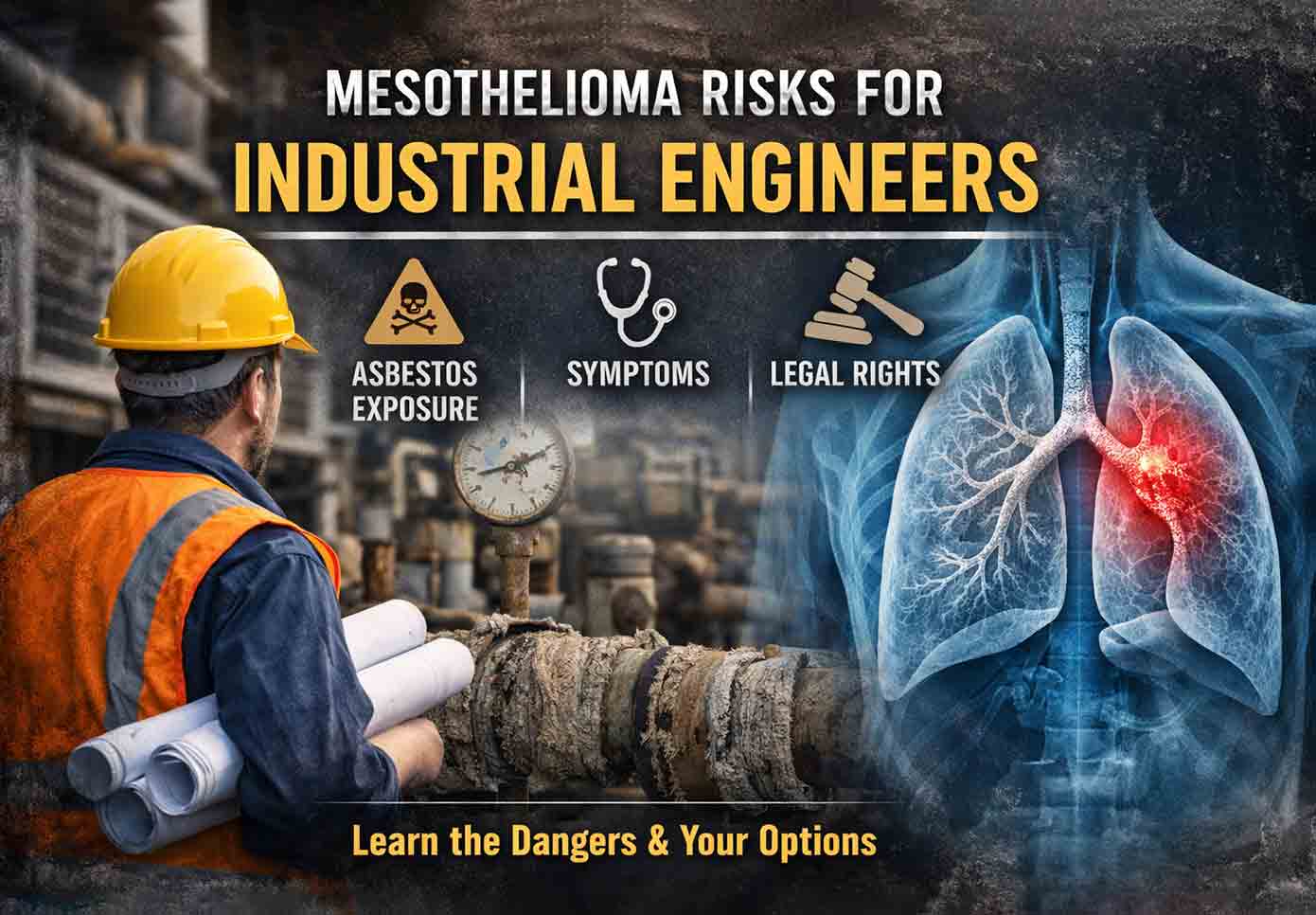
Mesothelioma is a rare, aggressive cancer mostly caused by exposure to asbestos, a fibrous mineral once widely used in industrial settings. Although many people associate mesothelioma with construction or shipbuilding jobs, industrial engineers are also at risk due to the environments in which they work.
According to health authorities, asbestos exposure is the primary cause of malignant mesothelioma, lung cancer, and other respiratory diseases. The fibers are carcinogenic and can remain in the body for years before symptoms develop.
What Is Mesothelioma?
Mesothelioma is a type of cancer that forms in the mesothelium the protective lining around organs.
There are three main types:
- Pleural mesothelioma – affects the lungs
- Peritoneal mesothelioma – affects the abdominal cavity
- Pericardial mesothelioma – affects the heart lining
It often takes 20–50 years for mesothelioma to develop after the first asbestos exposure.
How Industrial Engineers Can Be Exposed to Asbestos
Industrial engineers typically work with systems, machines, and facilities many of which once contained asbestos materials. Asbestos was commonly used for:
- Insulation around boilers, pipes, and equipment
- Fireproofing materials in factory buildings
- Electrical components and gaskets
Engineers could inhale asbestos fibers during maintenance, inspections, renovations, or when old materials deteriorated.
Even indirect exposure such as entering areas with aging insulation or environmental contamination can pose a risk.
Asbestos Dangers in Unexpected Places: Schools and Worksites
Asbestos risks are not limited to traditional industrial locations. For example, aging school buildings in many districts have a long history of asbestos‐containing materials, and staff exposure has led to serious illnesses. One such real‐world concern involves teachers and staff exposed to asbestos in their workplace, as documented in cases like those involving employees of the Montebello Unified School District where asbestos exposure raised cancer concerns among workers.
Older school structures often contain asbestos in insulation, ceiling tiles, flooring, and pipe wrap. If these materials age or are disturbed during repairs, friable asbestos fibers can become airborne and inhaled by anyone in the vicinity.
Symptoms of Mesothelioma
Mesothelioma symptoms can be subtle early on but tend to worsen over time. Common signs include:
Pleural Mesothelioma (Lungs)
- Chest pain
- Shortness of breath
- Persistent cough
- Fatigue
Peritoneal Mesothelioma (Abdomen)
- Abdominal pain
- Nausea or swelling
- Bloating
- Weight loss
Symptoms usually appear 20 to 50 years after exposure.
Diagnosing and Treating Mesothelioma
Diagnosing mesothelioma generally involves:
- Medical imaging (CT, MRI, X‑rays)
- Tissue biopsy
- Tumor markers in blood tests
Treatment depends on the stage and may include:
- Surgery
- Radiation therapy
- Chemotherapy
- Immunotherapy
Prognosis varies widely but early diagnosis improves outcomes.
Legal Rights and Compensation
Occupational asbestos exposure often gives rise to legal claims.
Industrial engineers diagnosed with mesothelioma after workplace exposure may be eligible for:
- Workers’ compensation benefits
- Asbestos trust fund claims
- Lawsuits against negligent companies
Many large employers with historical asbestos use have created trust funds to compensate affected workers.
Frequently Asked Questions
Mesothelioma is primarily caused by asbestos exposure when fibers are inhaled or ingested and later damage the mesothelium.
Industrial engineers often enter or supervise environments and equipment that historically contained asbestos insulation or materials.
Mesothelioma symptoms can take decades typically 20–50 years to develop after asbestos exposure.
Yes mandates like the Asbestos Hazard Emergency Response Act (AHERA) require schools and workplaces to inspect and manage asbestos safely.
Yes family members can be exposed to asbestos fibers brought home on clothing, tools, or equipment. This secondary exposure can also lead to mesothelioma.
Conclusion
Mesothelioma remains a serious health risk for those exposed to asbestos including industrial engineers and professionals working in older built environments.
Understanding where asbestos may still exist, how exposure occurs, and the long latency of mesothelioma can empower workers to protect themselves and seek appropriate medical care and legal remedies when needed.